 EN
EN



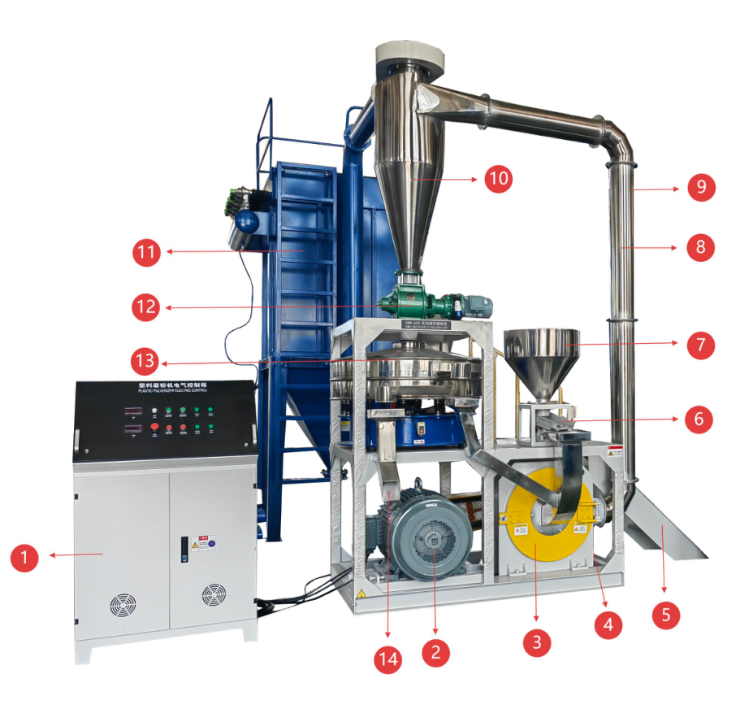
When the time comes to select equipment for processing factory waste, it can be confusing. Any plastics processing plant needs reliable plastic grinders to handle scrap, produce quality regrind, and maintain a clean working environment. The following roadmap will provide beginners with an overview of the important features and potential pitfalls to consider when choosing a plastic grinder for factory waste. Since 2007, Zhangjiagang Huibang Machinery Co., Ltd. (Huibang brand)has been engaged in the size reduction product category, offering useful guidance for first time-buyers.
Know Your Factory Waste Stream Produces
You have to examine your own factory's plastic waste types before you begin considering the various types of machines available. The waste can be sprues, runners, edge trim, rejections, or purge chunks. Waste is waste! But waste is not all the same. The properties of thin film and hollow container are very different from those of solid injection molded part. A good plastic grinder will not perform correctly in the processing of soft wastes or bulky wastes. Be sure to categorize your waste according to shape, thickness, and cleanliness. All other decisions of selection will follow this first one.
Defining Throughput and Particle Size Requirements
What is the amount of waste that your factory generates per shift? It is actually a question that has a direct impact on machine size. A small granulator may be sufficient if you only process a few kg per hour. If the waste is generated from several production lines, a bigger plastic grinder with more rotor inertia and the capacity to handle additional waste will be required. Some factories return ground material to the extruder or the injection molding. Some are reusing the regrind to blend material. Throughput requirements and final particle size help narrow down the choices of model.
Choosing the Right Cutting Geometry and Rotor Design
A plastic grinder's internal design is essential. For high volumes of thin or small waste, an open rotor with a steep cutting angle is preferable. For large waste pieces, the same design is also effective. If the material being ground is stiff, like engineering plastics or rubber, then a pulverizer or unique grinding chamber may be needed. The simple crusher and the fine pulverizer are two concepts that are easily confused by the beginner. Huibang offers several types of pulverizers and grinders for various applications, such as the pulverizing and grinding of waste plastic and rubber. This allows you to match the cutting action to your specific waste type.
Considering Safety, Maintenance, and Ease of Cleaning
Grinding factory wastes is not a one-shot affair. Blade sharpening, the replacement of screens, and the cleaning of the chamber are needed frequently. Look for a plastic grinder with easy access to the cutting chamber, a secure hopper with easily accessible safety interlocks, and a strong screen cradle. Maintenance downtime is costly. Quick adjustment of screens and blades is important, and requires fewer special tools for screening in the busy factory. See if the motor has overload protection. A beginner should select machines that ensure safety.
Evaluating Total Cost and AfterSales Support
The cost involves more than just the purchase price. Equally important are energy consumption, blade replacement frequency, and spare parts availability. Find an after-sales support supplier who has a proven track record. Zhangjiagang Huibang Machinery Co., Ltd. serves over 1,500 customers across industries ranging from rotomolding to masterbatch, and exports to nearly thirty countries. They have extensive experience and guarantee good after sales service, spare parts, and technical advice. will be guaranteed. A factory visit can be used as a way to clinch your decision when it comes to choosing a plastic grinder model.
Making Your Final Decision with a Factory Visit
After deciding your waste type, throughput requirements, rotor design preference, safety requirements and budget it's time to visualize the machine! By visiting a factory, you will be able to evaluate build quality, noise levels and real grinding capacity. Ask them to run a test with your factory waste. That takes any "maybes" out of the equation. Once the test has been completed, request a clear proposal with available models, an OEM parts list and maintenance proposal. This guide will empower even the novice to confidently choose a plastic grinder that will help optimize the production process and increase sustainability by converting factory waste to useful regrind.