 EN
EN



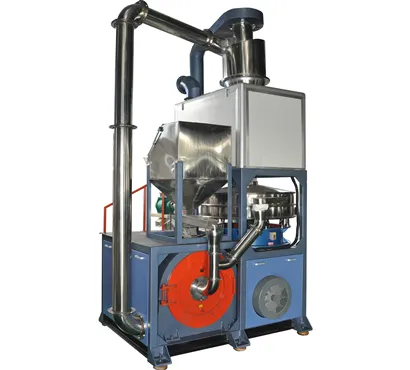
Common materials for a plastic pulverizer are PE, PVC, PP and other plastics. The first step in choosing the appropriate size reduction equipment is to know your material. Not all plastics are created equal when it comes to grinding. Some are hard, some are stretchy, and some are brittle and heat sensitive. A plastic pulverizer has to be designed to match a particular polymer in order to maximize the production rate, final particle size and machine life. For 19 years, Zhangjiagang Huibang Machinery Co., Ltd. has been exploring the different behaviors of various materials in high speed grinding. This article describes the most suitable materials for a plastic pulverizer, such as PE, PVC and PP, as well as more specialized materials.
Polyethylene: The Workhorse Material
The most frequently processed material in a plastic pulverizer is polyethylene (PE). It includes HDPE, LDPE and LLDPE grades. PE is moderately hard and elastic, meaning that it doesn't break easily. A plastic pulverizer for PE must maintain sharp blades and be able to cool properly to prevent melting and clumping. PE pulverizing is extensively used in rotational molding industry and masterbatch industry. The material is easy to grind using impact, resulting in a free flowing powder for use in rotomolding or coating processes. Huibang machines provide consistent results in PE processing and produce consistent particle size in various throughputs.
PVC: Heat Sensitive But Highly Grindable
PVC is another good choice for plastic pulverizers, but with some considerations. Rigid PVC is brittle and will easily grind to a fine powder. PVC is, however, very sensitive to heat. When grinding, friction can rapidly increase the temperature, and if it gets too hot, PVC can become degraded and discolored or emit acidic by-products. An effective cooling system such as water cooled grinding discs or a cooled grinding chamber is important on a quality PVC pulverizer. The geometry of the rotor must be different for soft or plasticized PVC because it does not fragment but smears. Huibang manufactures excellent pulverizer specially designed for PVC, which will help customers in pipe recycling, profile recycling and siding recycling to produce of high quality powder without thermal damage.
Polypropylene: Balancing Toughness and Heat
PP (polypropylene) is a polymer that falls somewhere between PE and PVC when it comes to grinding. PP is hard, with a relatively high melting point and is elastic under friction heat. The main point to keep in mind for using a plastic pulverizer when pulverizing PP is to keep the cutting edges sharp and to not overfill the chamber. When the machine overheats, it may cause the PP particles to melt and adhere to the screen or grinding surface. It is recommended to feed the pre-reduced PP scrap like regrind from a PP crusher into the pulverizer. Many of Huibang's waste plastic and automotive recycling customers adopt a two-stage process: first a shredder or granulator, then a plastic pulverizer for fine powder. PP powder has a broad application in rotomolding, compounding and filler masterbatch carrier.
Beyond the Basics: Other Grindable Materials
In addition to the basics, there are other materials which can be ground. The most popular materials are PE, PVC and PP, but pulverizers can be configured to work with many others. PS is brittle and easily ground to a fine powder, but dust produced can challenge dust collection systems. Post grinding drying may be required for polyamide (nylon) which has toughness and moisture absorption. ABS grinds well, but if the screens are worn, it can produce fibrous particles. A pulverizer for non plastic materials such as rubber, wood or even some food products can be used. Huibang provides customers in rubber recycling, wood recycling, and the food industry with special machines featuring adjustable rotor design, screen sizes, and cooling methods.
How to Choose the Right Plastic Pulverizer for Your Material
When selecting a plastic pulverizer, there are several factors to consider. Choosing a plastic pulverizer is not one-size-fits-all. First of all, determine the type of materials you are processing and the size of the particles that you want to produce. When selecting a mill for PE and PP, choose a high speed impact mill with sufficient cooling. For PVC, select water cooled grinding components. Use hardened rotors and screens for abrasive materials such as glass filled nylon. Throughput requirements also matter. For small scale masterbatch production, a small-scale pulverizer may suffice. For large volume waste plastic recycling lines,a heavy-duty continuous-duty pulverizer is required. Huibang offers a variety of pulverizers, crushers, and shredders to choose from, and has a solid technical force and scientific management system. We can match the machine to your polymer.
Conclusion
The best material for a plastic pulverizer depends on what you need to produce. The grinding properties of PE, PVC and PP are different and it is important to use the correct machine, cool the machine and operate it correctly in order to achieve success. Zhangjiagang Huibang Machinery Co.,Ltd. possesses the experience to provide your application with the appropriate solution. Huibang is your best choice with advanced equipment, perfect after sales service and exports to approximately thirty countries. Please visit us and see the quality of our machines. Call us today and talk about your plastic pulverizer requirements.