 EN
EN



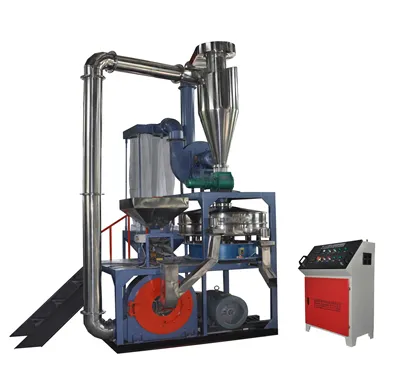
A plastic pulverizer is a significant investment in your production line. When it runs smoothly, you get consistent powder, low downtime, and predictable operating costs. When maintenance slips, you face blade wear, screen blowouts, motor overloads, and rejected batches. The difference between these outcomes is daily habits. Here are seven maintenance habits that keep a plastic pulverizer running at its best.
Habit 1:Inspect Blades Before Every Shift
Blades are the heart of any plastic pulverizer. Dull or chipped blades force the machine to work harder, generating excess heat and producing inconsistent mesh. Before each shift, open the grinding chamber and visually inspect the rotor and stator blades. Look for nicks, rounding of cutting edges, or signs of burning. If blades show wear, rotate them if the design allows, or schedule a sharpening. Many Huibang pulverizers feature reversible blades, giving you two cutting edges per blade. Never run a plastic pulverizer with dull blades, as this damages screens and reduces throughput.
Habit 2:Check Screen Condition Daily
A damaged screen ruins particle consistency. A single torn spot allows oversized chunks to pass through, contaminating your powder. After each shift or at least daily, remove the screen and hold it up to light. Look for holes, stretched mesh, or bent frames. Also check for material buildup that reduces open area. Clean screens with a brush or compressed air before reinstalling. Huibang supplies high quality spare parts including precision screens for all pulverizer models. Keep spare screens on hand so a torn screen does not shut down your production.
Habit 3:Verify Blade Gap Settings
The gap between rotating and stationary blades determines how effectively your plastic pulverizer cuts. If the gap is too wide, material escapes without being fully ground. If too narrow, blades may touch, causing immediate damage and metal contamination in your powder. Check the gap at every blade change and periodically between changes. Use a feeler gauge to measure clearance according to the machine manual. Record the settings so you can return to optimal positions after maintenance. Huibang machines are designed with easy access adjustment points, making this habit quick to perform.
Habit 4:Clean Cooling Passages Regularly
Most plastic pulverizers rely on cooling to prevent heat sensitive materials from melting or sticking. Water cooled models have internal passages that can accumulate scale, rust, or debris. Air cooled models have fins that collect dust. Either way, reduced cooling leads to temperature spikes, which cause powder to clump and screens to blind. Once per month or more often in dusty environments, clean all cooling passages. For water cooled units, flush the system with a descaling solution. Huibang plastic pulverizers are engineered with accessible cooling ports, so cleaning takes minutes rather than hours.
Habit 5:Listen for Unusual Sounds
Your ears are a powerful diagnostic tool. A healthy plastic pulverizer produces a steady, rhythmic grinding sound. Changes in noise often signal trouble before visible symptoms appear. A high pitched whine may indicate bearing wear. A knocking sound could mean a loose blade or foreign material inside the chamber. A dull thud suggests material is packing or the motor is straining. Train operators to stop the machine immediately if they hear anything unusual. Investigate the cause before restarting. Huibang’s scientific management system emphasizes operator awareness as a first line of defense.
Habit 6:Tighten All Fasteners Periodically
Vibration is unavoidable in a plastic pulverizer. Over time, this vibration loosens bolts, screws, and access panel latches. A loose fastener can fall into the grinding chamber, causing catastrophic blade and screen damage. Once per week, go over the machine with a wrench. Check rotor mounting bolts, stator retaining screws, screen frame clamps, and motor mount bolts. Also inspect belt guards and electrical enclosure screws. Apply thread locking compound where recommended. This simple habit prevents major failures and keeps your pulverizer safe.
Habit 7:Keep a Maintenance Log
What gets measured gets managed. Keep a simple logbook for each plastic pulverizer. Record blade sharpening dates, screen replacements, bearing lubrication, and any unusual events. Note the hours run between maintenance intervals. Over time, this log reveals patterns. You may find that a certain material wears blades twice as fast as another. Or that water quality in your cooling system affects cleaning frequency. Use the log to plan proactive maintenance rather than reacting to breakdowns. Huibang supports customers with perfect after sales service, including guidance on setting up effective maintenance records.
Conclusion
Seven simple habits can transform the reliability of your plastic pulverizer. Inspect blades and screens daily, verify blade gaps, clean cooling passages, listen for unusual sounds, tighten fasteners, and keep a log. These practices reduce downtime, improve mesh consistency, and extend machine life. Zhangjiagang Huibang Machinery Co., Ltd. builds durable plastic pulverizers, crushers, and shredders, but even the best equipment needs disciplined care. With 19 years of know how and exports to about thirty countries, Huibang is your partner in productive grinding. Welcome to visit our factory and check machine quality. Contact us today to learn more.