 EN
EN



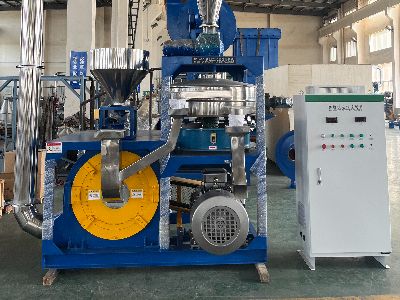
A plastic pulveriser should be comprehensively tested prior to leaving the factory. This testing is for the safety of the manufacturer and the consumer. Detects manufacturing defects before delivery. Checks the performance requirements. It records condition of the machine upon departure. Buyers who know the procedure of these tests will ask better questions and are more confident in their buying. Before going out of the door, plastic pulveriser undergoes careful inspection process from Zhangjiagang Huibang Machinery Co., Ltd. This article offers a basic to-do list of tests to be conducted and why.
Visual and Mechanical Inspection
The first stage in the test of any plastic pulveriser is a complete mechanical examination and visual inspection. Ensure all parts are in place and properly connected. Check to ensure the rotor has no restrictions on its ability to rotate. Check all welds, fasteners and guards. Inspect for damage or any missing parts to the shipment or assembly. Verify compatibility of machine with order details. The inspection requires only a few minutes and effectively identifies a lot of potential issues. A thorough visual examination of all plastic pulverisers is carried out before operating at Huibang.
No Load Run Test
The no load run test operates the plastic pulveriser without any material. This will assess fundamental mechanical capabilities. Turn on and run the machine for 15 minutes or more. Hear for strange sounds like knocking, grinding, whining. Check for exorbitant vibration of the housing and base. Inspect mobility of rotating components. Check no-load current of the motor is correct. Check the machine to prevent it from overheating. A plastic pulveriser which will run smoothly when no load is applied is ready for material testing. On all machines Huibang runs a minimum of 30 minute no load run.
Disc Gap Verification
In case of disc type plastic pulveriser, some gap between the rotating and the stationary discs is important. The clearance determines the size of the particles and impacts the machine's performance. Before shipment inspect the disc gap to ensure it is even and correct around the whole circumference of the disc. Do a multi point check using a feeler gauge. Adjust if necessary. Note down the end gap setting. This information should be passed on to the customer for reference. Along with each plastic pulveriser shipment, Huibang offers documented disc gap measurements.
Cooling System Check
If there is a water cooling system for the plastic pulveriser, test cooling system extensively. Connect up water supply lines and circulate water through the cooling jackets. Inspect fittings and seals for signs of leaks. Check to ensure that water is moving through all cooling passage ways. Record the difference in the water temperature at inlet and outlet. Check the cooling system keeping its temperature stable. If air cooled machines, check that the ventilation is clear and fans are functioning properly. Huibang also tests cooling system to the manufacturers specification before sending.
Electrical System Verification
A plastic pulveriser's electrical system must be checked prior to being sent out. Determine the correct direction of motor rotation. Test all safety interlocks on the machine – such as hopper switches and access panel switches. Insure correct operation of emergency stop button. Make sure overload devices are properly adjusted on the motor. Try out various controls on the panel like start, stop, and reverse. Plastic pulveriser which has electrical issues is hazardous and unstable. Huibang Electricians thoroughly test all the electric parts before sending them off.
Material Test Run
The most critical test is to try to run actual material in the plastic pulveriser. Choose material which will be similar to that of the customer. Operate at normal speed and feed. Take samples from the output at fixed time intervals. Determine the particle size distribution by sieving. Inspect for overheating or deterioration of materials. Test for throughput with regard to specifications. Document all results. This test verifies plastic pulveriser's behavior as it is claimed. The company Huibang provides material test service for its customers on the samples that has been sent to its factory. Material may be processed in the same machine they will be shipped to.
Vibration and Temperature Monitoring
Observe vibrations and temperatures during the material test run. Check using vibration meter on bearing housings. Compare readings to suitable values. Use a contact thermometer or thermal camera to take bearing temperatures. Check motor winding temperatures. Check the temperature of the grinding room. Excessive heat or vibration are signs that there is a problem that must be remedied before shipment. The vibration and temperature data was collected by Huibang on every material test run.
Safety Guard Verification
To keep operators safe from moving parts, safety guards are provided. Ensure all guards are fitted and work properly before sending a plastic pulveriser. Ensure hoppers guards are installed correctly. Check all drive parts have belt guards. Take a brief test, such as pushing against the access panel as the rotor moves and observe if it opens. Make sure that labels are legible and present. Plastic pulverisers must never be shipped if they have any problems with their safety devices. Safe handling of our equipment and testing procedures is a Huibang priority.
Conclusion
The customer has the assurance that the plastic pulveriser is tested in advance of shipping because of this.This provides the benefit of the customer and manufacturer by testing the plastic pulveriser prior to shipping. We have adhered to this strict practice for all plastic pulverisers, plastic crushers and shredders we sell to you. While you are welcome to call our factory to share some of our world-class work at our facility, we requested that you come personally to see what we are doing on a first-hand basis. Speak with Huibang today to talk about your plastic pulveriser requirements and observe how our testing will help you achieve success.