 EN
EN



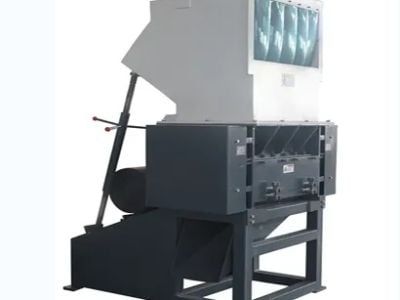
To make good plastic powder, a machine called a plastic pulverizer is used. Sometimes, the powder made by these machines is not the same every time. It can be too coarse or too fine, which is not what you want. This problem can be really annoying for factories that need the powder to be a certain way. At Huibang, we understand these issues and want to help you find the reasons behind the inconsistency in powder fineness. By knowing the common causes and how to fix them, you can make sure your pulverizer works best and gives you the quality you need every time
What are the Common Causes of Inconsistent Powder Fineness in Plastic Pulverisers
One big reason for uneven powder fineness is the machine itself. If the blades in the pulverizer are worn out or damaged, they won't cut the plastic properly. This can lead to bigger chunks of powder instead of a fine, smooth texture. Checking the blades often is important. If they are not sharp, they need to be replaced. Another issue could be the speed settings. If the pulverizer is running too fast, it might create too much heat. This heat can melt the plastic instead of pulverizing it, making the powder clump together. On the other hand, if it runs too slow, the plastic won’t be ground into a fine powder at all. Finding the right balance in speed is key to quality powder
Material quality also plays a role. If the plastic you are using has different types or sizes, it can lead to uneven results. Mixing different plastics without knowing how they react can cause problems. For example, if you mix a hard plastic with a soft one, the softer plastic may break down quicker, leading to an uneven mix. Then there’s the feed rate. If you are feeding too much plastic into the machine at once, it can overwhelm the pulverizer. This means the machine cannot process everything properly, which can lead to inconsistent powder quality. Lastly, environmental factors like humidity can affect the powder too. Wet plastic can clump together, making it hard to pulverise evenly
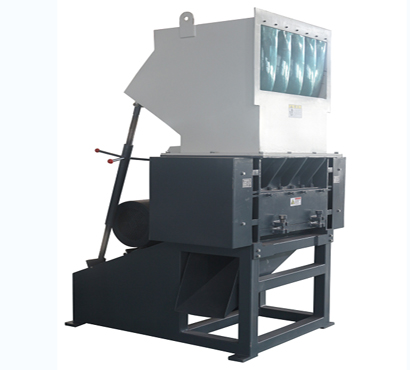
How to Troubleshoot Plastic Pulveriser for Optimal Powder Quality
To troubleshoot a plastic pulverizer, start with the basics. First, check the blades. Make sure they are sharp and in good condition. If they are not, replace them. Next, examine the speed settings. Adjust the speed to find the sweet spot – not too fast and not too slow. You may need to experiment a little to see what works best with the type of plastic you are using. After that, look at the material itself. Make sure you are using the right type of plastic and that it is clean and dry. If you have mixed plastics, try to limit the types you use to avoid issues
Feeding the machine properly is also very important. Instead of dumping a lot of material in at once, feed it gradually. This gives the pulverizer time to work and helps prevent clumping. If you notice issues with humidity affecting your material, try to keep your workspace dry. Using a dehumidifier can help. Regular maintenance is crucial too. Clean the machine frequently to remove any leftover powder that could affect the next batch. Also, check for any loose parts or unusual noises in the machine, as these can indicate a problem that needs fixing
At Huibang, we care about helping you make the best quality powder. By keeping an eye on these factors and regularly maintaining your pulverizer, you can produce consistent, high-quality plastic powder every time. Remember, a bit of attention can go a long way in ensuring your factory operates smoothly
When using a plastic pulverizer, it is important to notice any problems that might come up
The first step in identifying common usage issues is to check the size of the powder. If the powder is too coarse or too fine, this can mean there is a problem with the machine or how it is being used. You should also look for changes in how the machine sounds. If it is making unusual noises, it might be working harder than it should. Another sign of trouble is if the machine is overheating. This can happen if the settings are off or if there is not enough airflow. Dust and dirt can also build up in the machine, which can affect its performance. It is important to clean the pulverizer regularly to avoid this issue. You should also check the feed rate of the plastic material. If too much material is fed into the machine at once, it can cause blockages and uneven powder size. The quality of the plastic material is also important. If the plastic is too wet or has contaminants, it can lead to inconsistent powder fineness. Using plastic that is clean and dry will help ensure better results. Lastly, make sure the blades in the pulverizer are sharp. Dull blades can struggle to grind the plastic properly, which will affect the fineness of the powder. By paying attention to these signs, you can identify and fix common issues with your plastic pulverizer
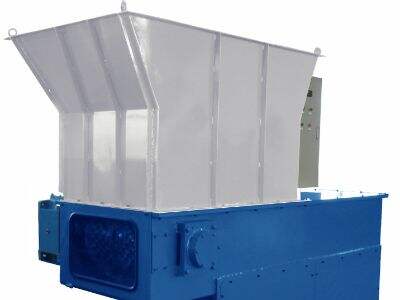
To keep the powder fine and consistent in plastic recycling, there are some best practices you should follow
First, always use clean and dry plastic materials. Moisture can cause clumping and make it harder to achieve a fine powder. You can dry the plastic using a dryer before putting it into the pulverizer. Next, set the right speed and feed rate for your pulverizer. If you feed the material in too quickly, it can lead to uneven grinding. It is better to feed the material slowly to allow the machine to work effectively. Regular maintenance of the pulverizer is also key. This means checking and sharpening the blades, cleaning out dust and debris, and ensuring that all parts are working well. When everything is in good shape, the machine will be able to produce a finer powder. It is also helpful to run small test batches before processing larger amounts of plastic. This way, you can fine-tune the settings and make sure the powder fineness is just right. Keeping a close eye on the process and being patient can lead to better results. Finally, using a good quality pulverizer like the ones from Huibang can make a big difference. These machines are designed to handle different types of plastic and maintain powder fineness effectively. By following these best practices, you can ensure that your plastic recycling process is efficient and produces high-quality powder
For wholesale buyers looking to ensure quality control in plastic pulverizing equipment, there are several steps to take
First, it is important to choose a reliable supplier like Huibang. Look for suppliers that have a good reputation and positive reviews from other customers. This can give you confidence that the equipment you are buying is of high quality. Next, consider the specifications of the pulverizer. Make sure it is designed for the type of plastic you plan to recycle. Different plastics may require different types of machines to achieve the best results. You should also ask about the warranty or service options. A good warranty can give you peace of mind knowing that you can get help if something goes wrong. Before making a purchase, it is a good idea to ask for a demonstration of the equipment. This allows you to see how the machine works and how fine the powder will be. After buying the equipment, regular maintenance is essential to keep it running smoothly. Set up a routine for checking and cleaning the machine according to the manufacturer’s recommendations. Finally, keep track of the quality of the powder being produced by the pulverizer. If you notice any changes in the fineness, go back and check the machine for any issues. By following these steps, wholesale buyers can ensure that they are getting quality pulverizing equipment that will help them achieve consistent results in their plastic recycling efforts
Table of Contents
- What are the Common Causes of Inconsistent Powder Fineness in Plastic Pulverisers
- How to Troubleshoot Plastic Pulveriser for Optimal Powder Quality
- When using a plastic pulverizer, it is important to notice any problems that might come up
- To keep the powder fine and consistent in plastic recycling, there are some best practices you should follow
- For wholesale buyers looking to ensure quality control in plastic pulverizing equipment, there are several steps to take